
Category / Tag
Research article
Access our peer-reviewed research articles that explore new findings and theories in the field of social immunity in ants.
-
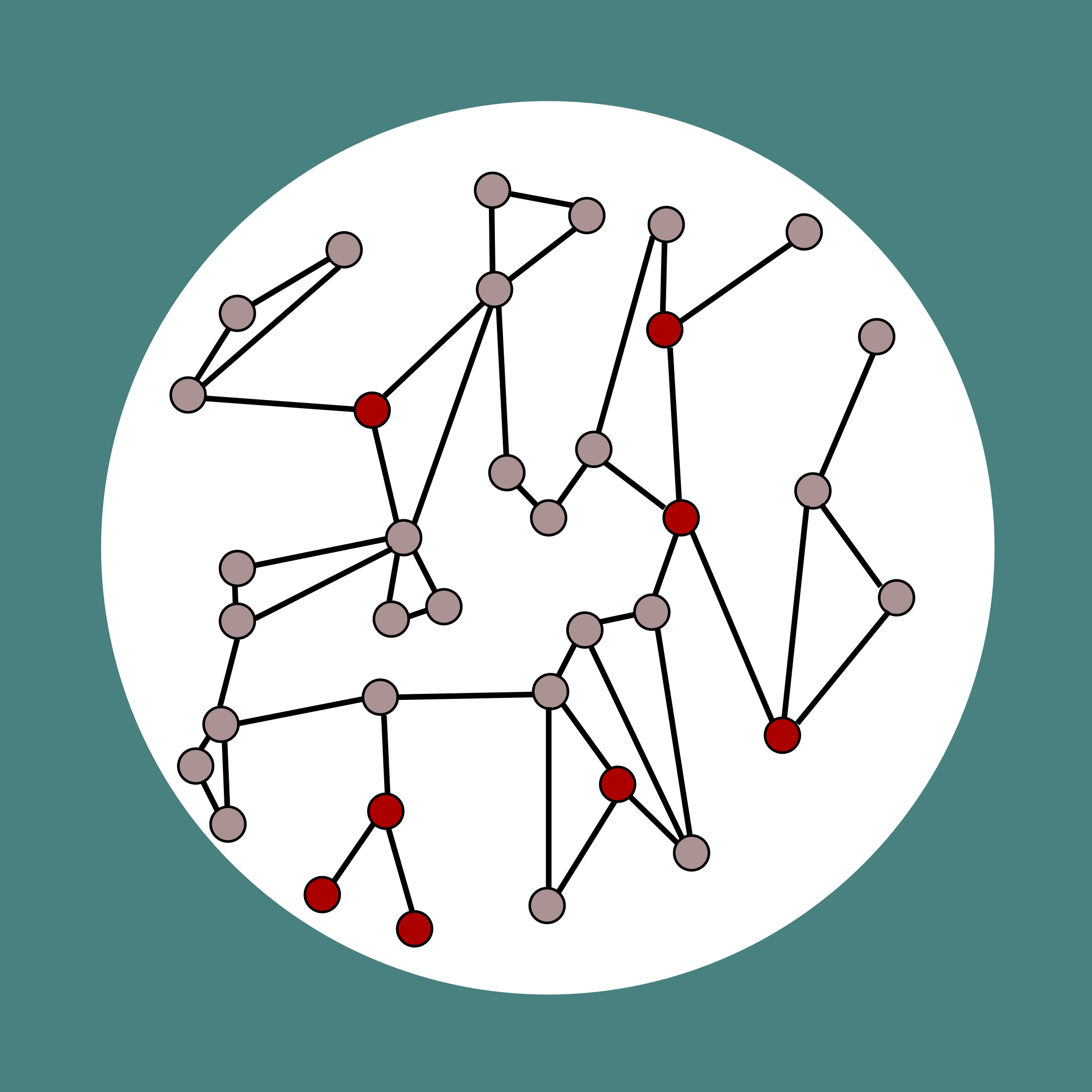
(Science, 2018) Social network plasticity decreases disease transmission in a eusocial insect
The study shows how ant colonies can modulate their social interaction networks after pathogen exposure to contain the disease. We found social distancing performed by infectious foragers and documented how… Read more
-
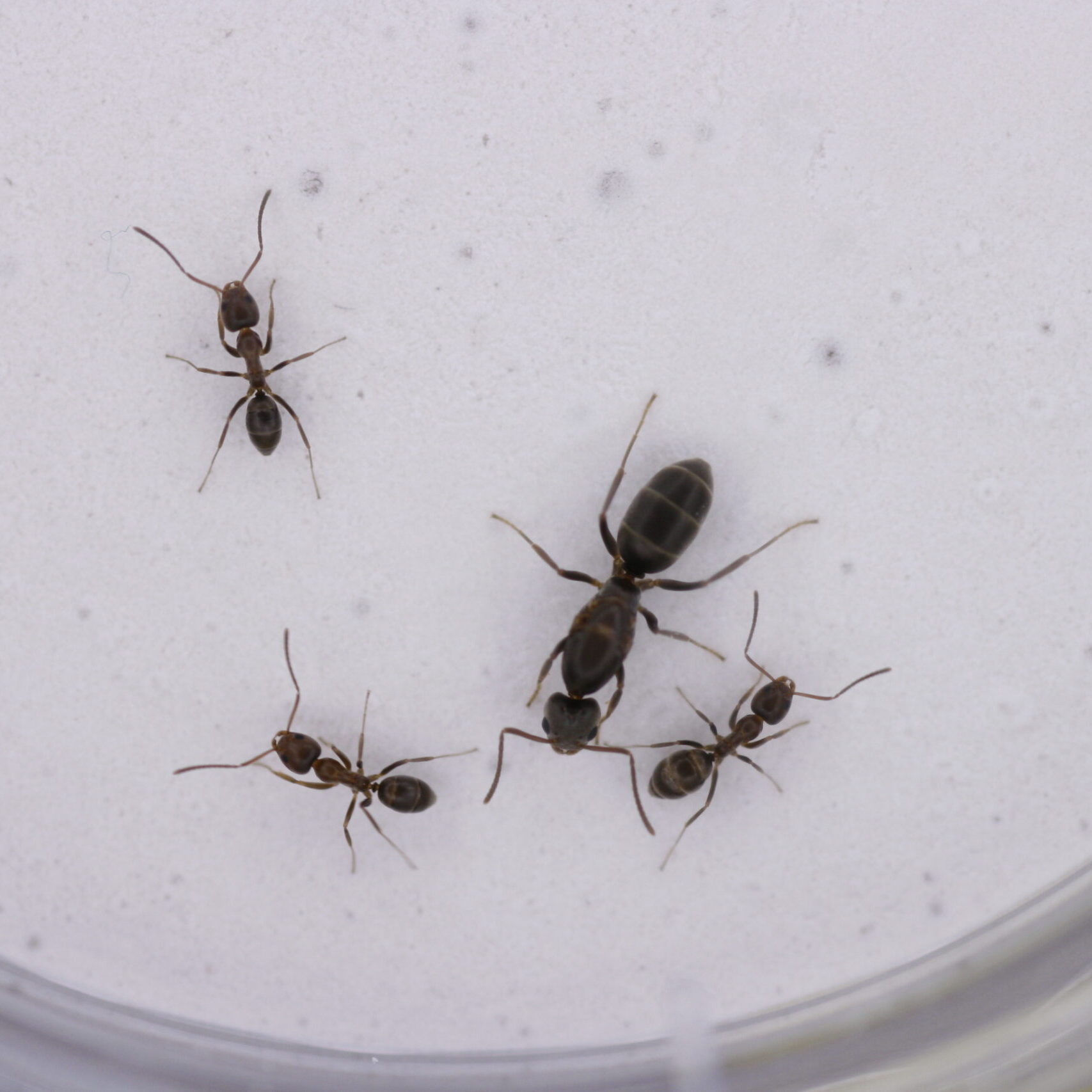
(Ecol Evol, 2018) Social environment affects the transcriptomic response to bacteria in ant queens
The article looks at the effects of social immunity on individual immune responses. The study uses bacterial infected queens of the species Linepithema humile as a model system. Read more
-
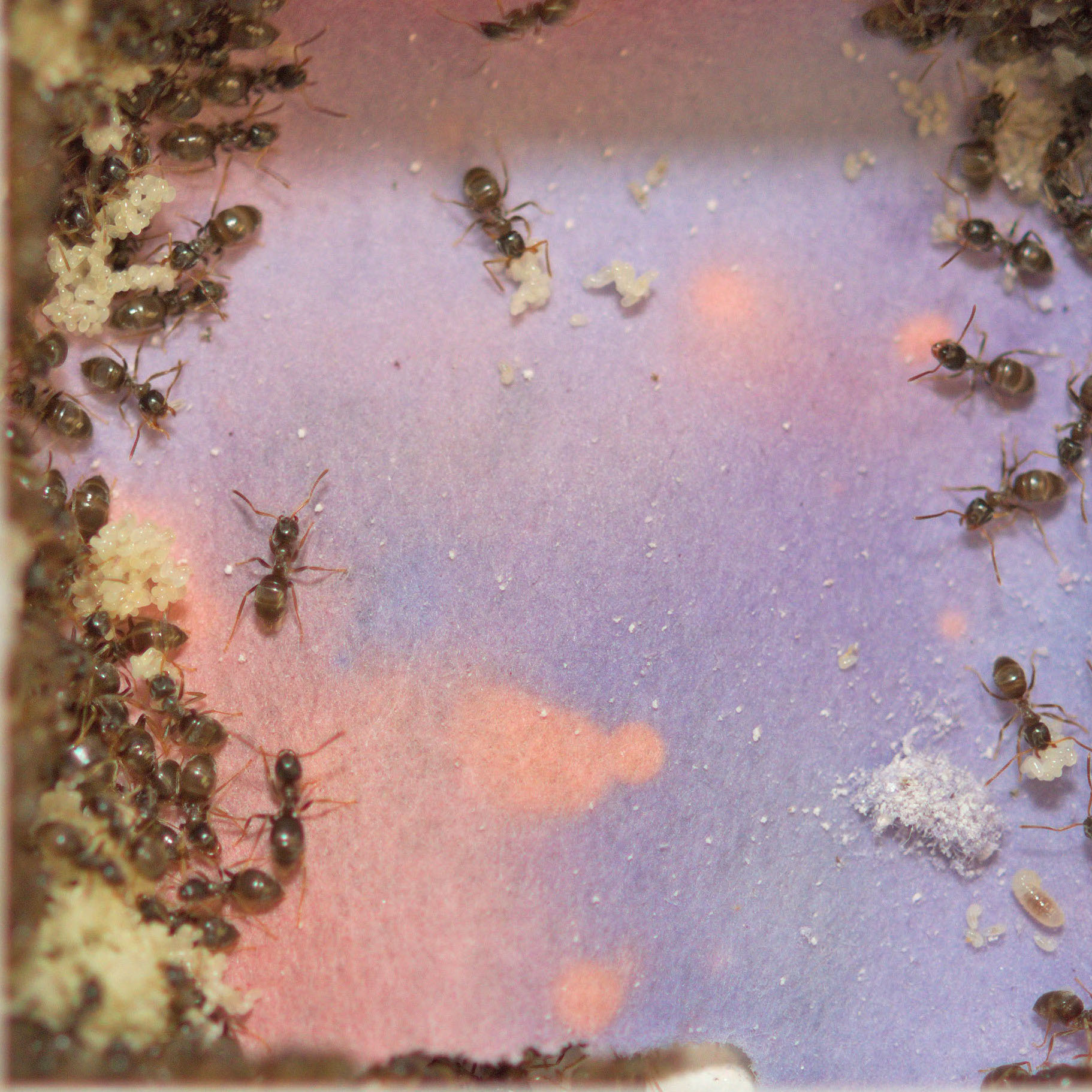
(Curr Biol, 2018) Protection against the lethal side effects of social immunity in ants
In the course of this work, we looked at how brood is protected against the harmful effects of formic acid. Read more
-

(FASEB J, 2018) Oxytocin-like signaling in ants influences metabolic gene expression and locomotor activity
In this study, we used ants to examine the functionality of inotocin, a known insect ortholog of the mammalian oxytocin. Read more
-
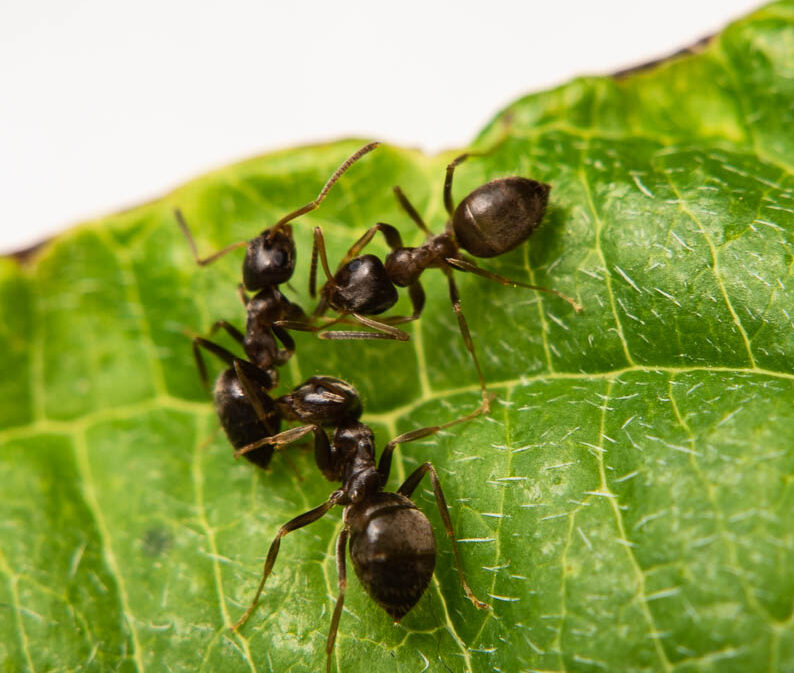
(PNAS, 2018) Ants avoid superinfections by performing risk-adjusted sanitary care
The study demonstrates how ants adjust their sanitary care behaviours based on previous encounters with pathogens. Read more
-

(eLife, 2018) Destructive disinfection of infected brood prevents systemic disease spread in ant colonies
The study describes that workers perform destructive disinfection of fatally-infected brood, thereby preventing pathogen spread within the colony. Read more
-
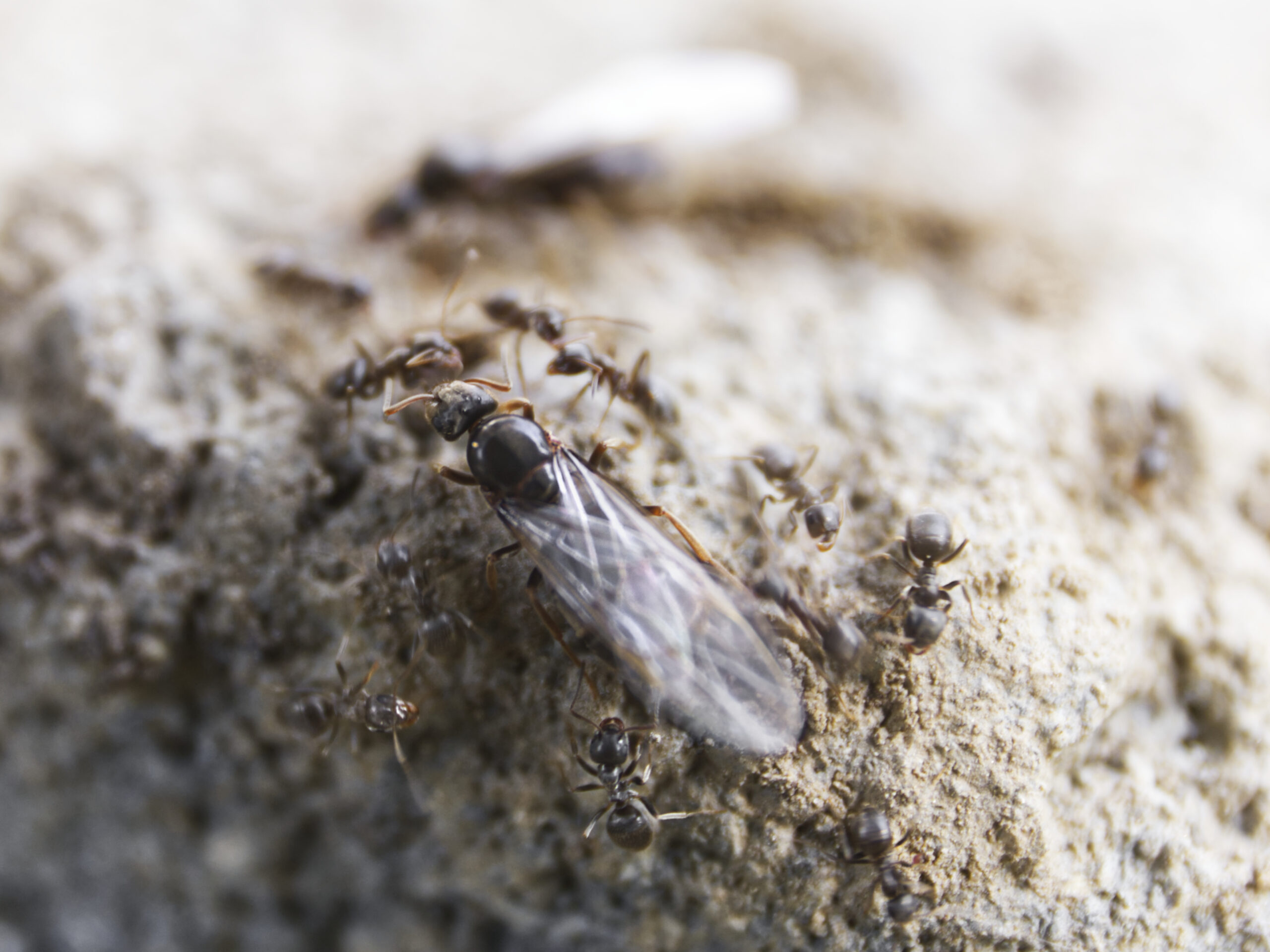
(BMC Evol Biol, 2017) Co-founding ant queens prevent disease by performing prophylactic undertaking behaviour
In this work, we showed that queens in cofounding associations do not engage in social immunity, but selfishly reduce their own risk of infection upon infection or death of the… Read more
-
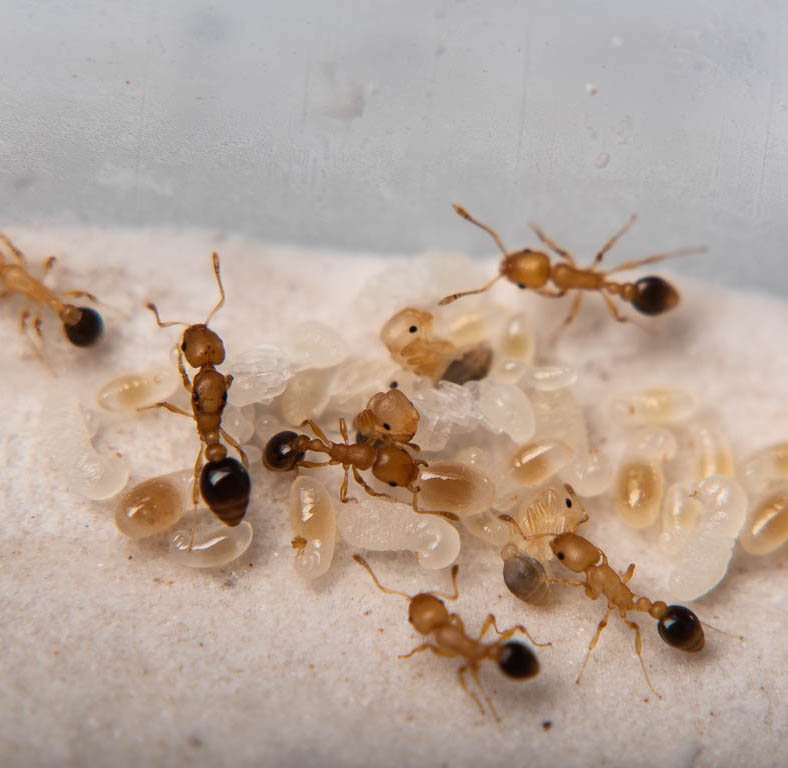
(Roy Soc Open Sci, 2017) Ant queens increase their reproductive efforts after pathogen infection
We demonstrated that low-level fungal infections prompt ant queens to increase their reproductive efforts. This boost in reproduction aligns with the terminal investment hypothesis. Read more
-
(Phil Trans R Soc B, 2015) Opposing effects of allogrooming on disease transmission in ant societies
This paper introduces a theme issue presenting the latest developments in research on the impacts of sociality on health and fitness. Read more
-
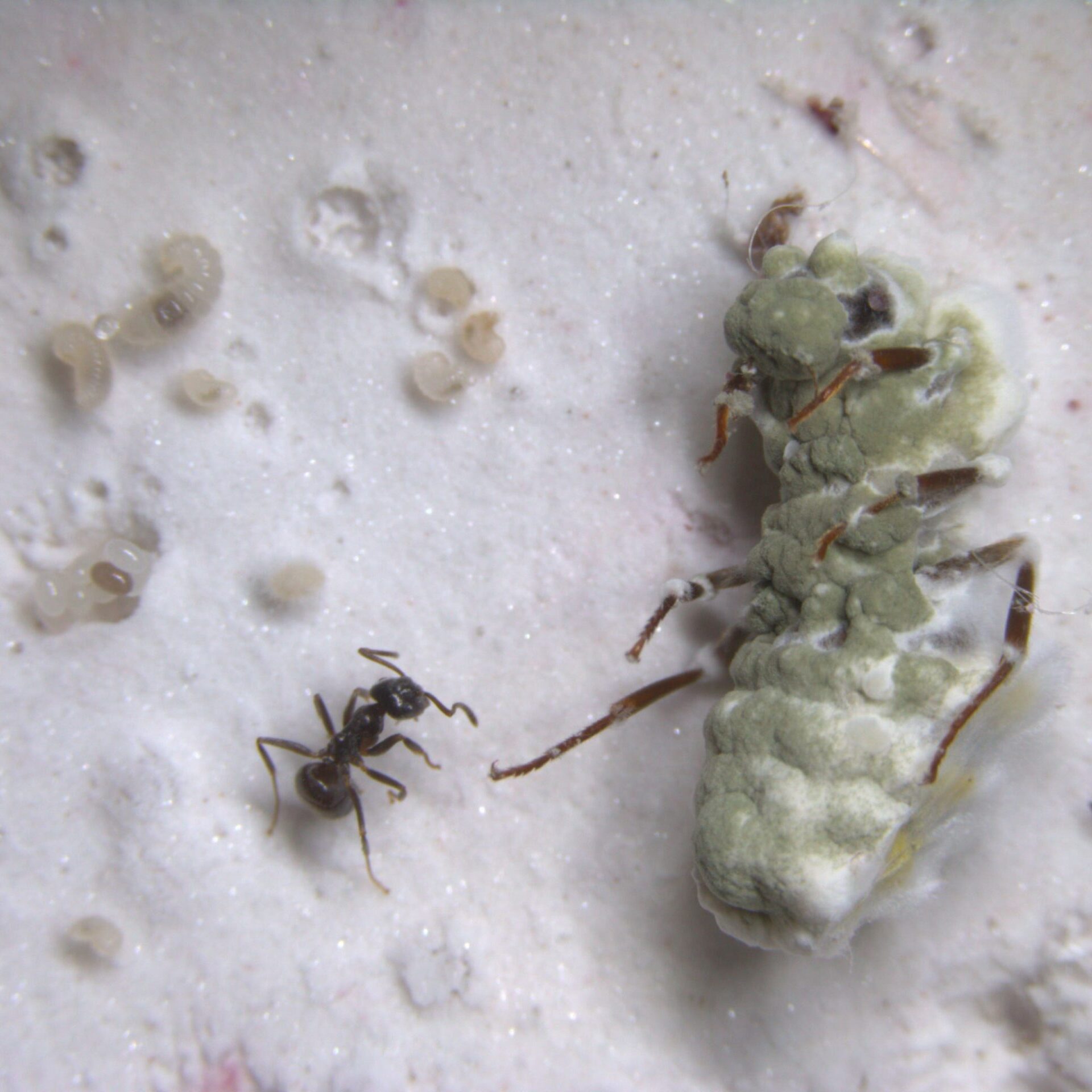
(J Theor Biol, 2015) Fungal disease dynamics in insect societies: optimal killing rates and the ambivalent effect of high social interaction rates
In this study, we modelled the infection dynamics particular to obligate killing pathogens, such as the insect-pathogenic fungi Metarhizium and Beauveria, which produce new infectious spores only after host´s death. Read more