
Category / Tag
Research article
Access our peer-reviewed research articles that explore new findings and theories in the field of social immunity in ants.
-

(Proc Roy Soc B, 2015) Anti-pathogen protection versus survival costs mediated by an ectosymbiont in an ant host
In this project, we showed that infection with the symbiotic Laboulbenia fungus triggers both behavioural hygiene and immune gene expression, providing a pre-emptive benefit to ants when later exposed to… Read more
-
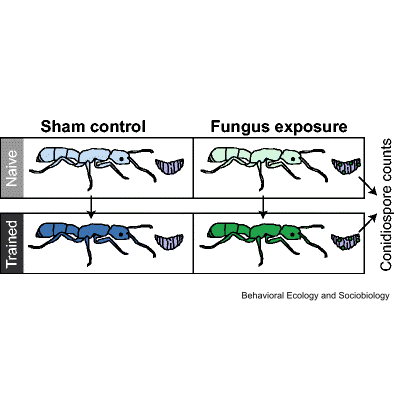
(Behav Ecol Sociobiol, 2014) Increased grooming after repeated brood care provides sanitary benefits in a clonal ant
In this work, we described how repeated brood care experience affects the performance of sanitary brood care. Read more
-
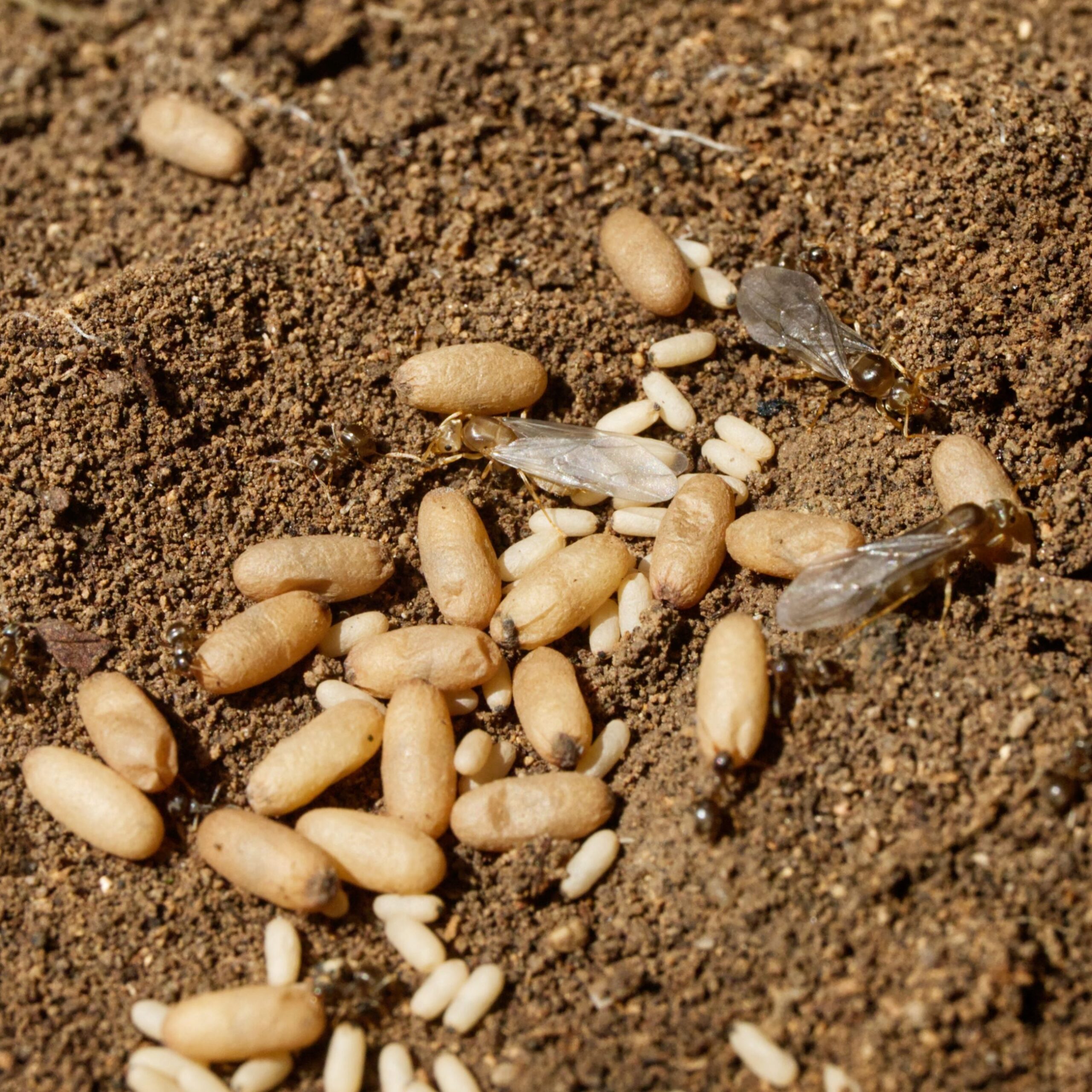
(BMC Evol Biol, 2013) Pupal cocoons affect sanitary brood care and limit fungal infections in ant colonies
Ants use their poison to disinfect the nest. We showed that pupae are protected against the toxic effects of this strong antimicrobial by their silk cocoon layer. Read more
-
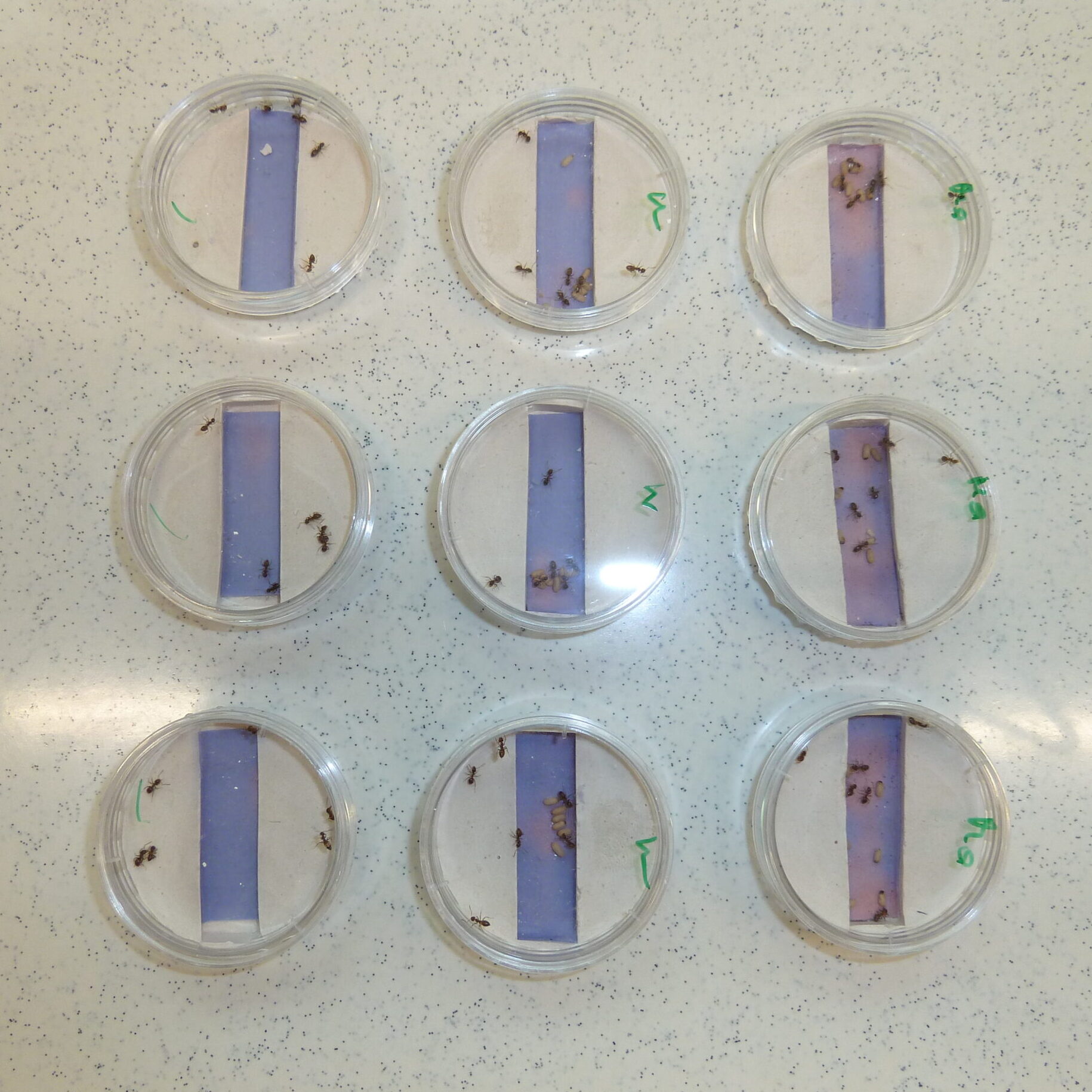
(Curr Biol, 2013) Ants disinfect fungus-exposed brood by oral uptake and spread of their poison
In this work, we showed that Formicine ants combine the mechanical removal of infectious pathogen stages from exposed colony members with chemical disinfection through the application of their poison, the… Read more
-
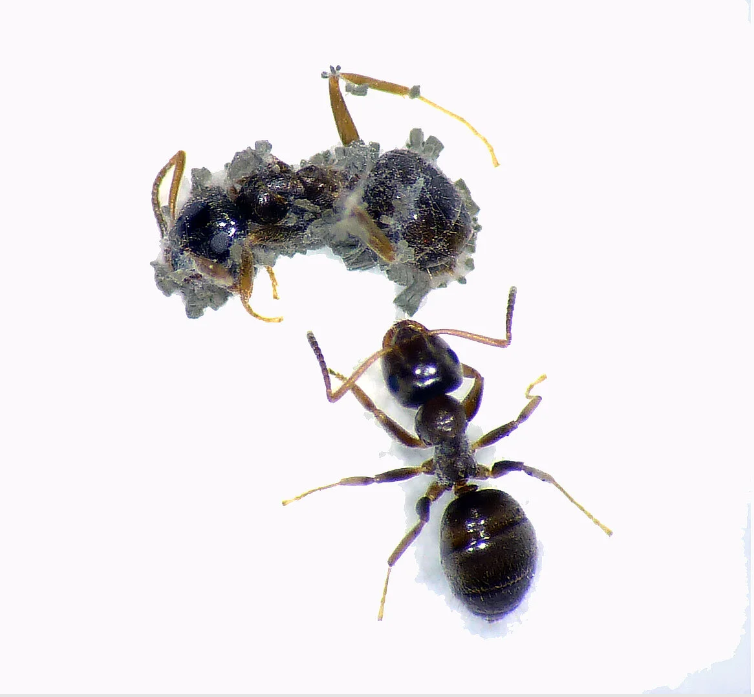
(PLoS, 2012) Social transfer of pathogenic fungus promotes active immunisation in ant colonies
In this study, we identified the mechanism of social immunisation in ants: close social contact with pathogen-exposed individuals leads to a transfer of low levels of infectious pathogens to colony… Read more
-
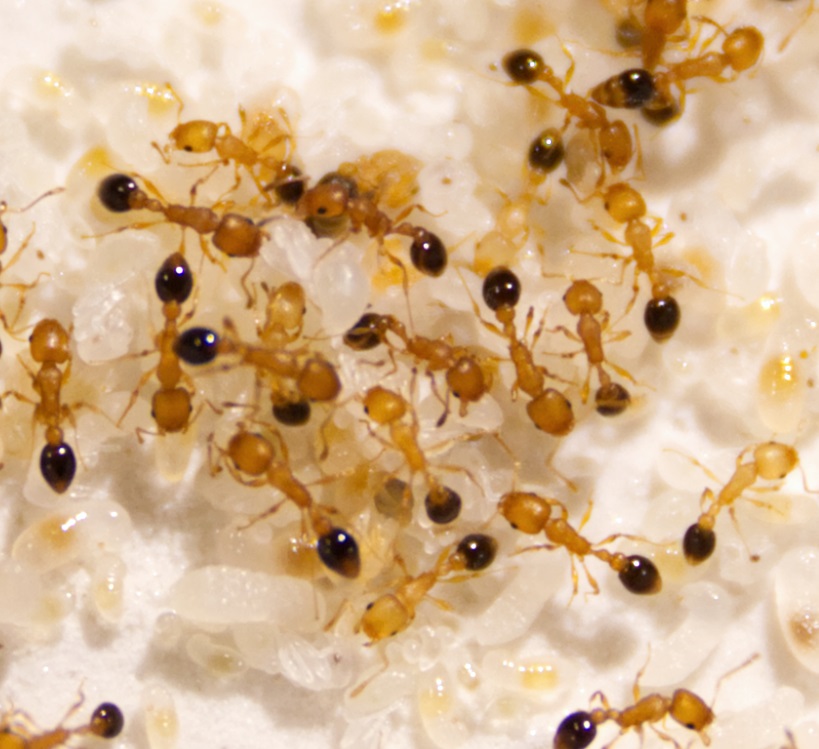
(Proc Roy Soc B, 2010) Rapid anti-pathogen response in ant societies relies on high genetic diversity
The study showed that colonies with reduced genetic diversity due to inbreeding are impaired in the performance of their sanitary care behaviour, likely due to reduced detection abilities. Read more
-
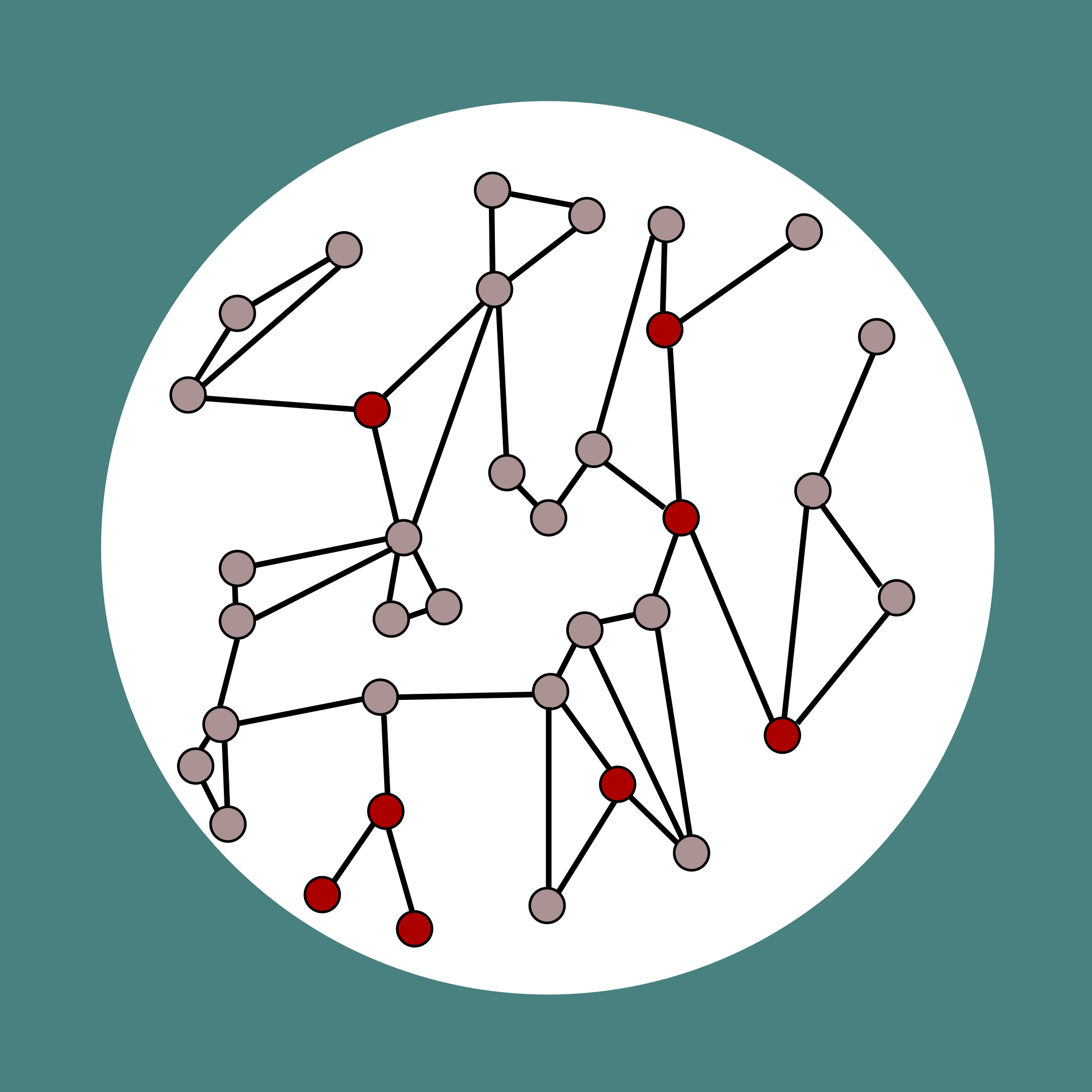
(Current Biology, 2007) Social prophylaxis: group interaction promotes collective immunity in ant colonies
In this work, we described the phenomenon of social immunization in ant colonies, i.e. that living together with an infectious colony member can improve later survival upon exposure to the… Read more